Therapy for adults living with chronic pain and chronic illness
You wake up and the first thing you do is scan your body.

You ask yourself, “What hurts today? How bad is the fatigue? Can I do what I need to do?”
Your entire day is built around symptoms that feel unpredictable and all-consuming.
And it feels like no one understands. Because your symptoms are invisible, people don't realize how much it hurts. So you've perfected saying "I'm fine" because explaining is exhausting and no words can really convey the reality of your condition.
You've seen multiple doctors and specialists, tried different supplements and procedures, read the books and heard the podcasts. The more you try without much success, the more you think you're beyond hope. But you really don't want to keep living like this, so you keep searching for answers…
How I work with chronic symptoms
You won't have to prove your suffering to me. I believe you, love. I lived with chronic pain and illness for years, so I know how it touches every part of life. I know your symptoms are real and physical, not "all in your head." But I also know the treatments aimed at your body haven't resolved them.
Here's the insight from neuroscience that changed everything for me: just because a symptom is physical doesn't mean that there's something wrong with the body or that the solution is physical.
If you break your ankle, your brain thinks, "I need to protect you; I'll send you pain so you can rest your ankle until it heals." If you accidentally eat hummus that's expired — like I did once — your brain thinks, "I need to protect you; I'll send you pain and nausea so you can rest your stomach while you recuperate." So what happens when the body heals but symptoms persist, or when they appear without any injury at all?
The brain has learned that particular movements, positions, situations, foods, people, etc. are dangerous and has become overprotective — a continuous false alarm. Sometimes the danger the brain is sensing is instead coming from past trauma, emotions we've been avoiding, and/or unrelenting daily pressures and stressors.
Chronic symptoms that are generated by learned patterns in the brain, instead of damage or injury in the body, are called "neuroplastic." And the great news is that what the brain learned can be unlearned!
Neuroplastic symptoms can show up in many ways, such as:
- Chronic pain, including fibromyalgia
- Headaches and migraines
- TMJ disorder (TMD)
- Dizziness and vertigo (e.g., PPPD)
- Chronic fatigue (ME/CFS)
- Long COVID
- Digestive issues (e.g., IBS)
- Functional neurologic disorder (FND)
- POTS
- Visual abnormalities
This is why physical interventions alone are not enough for neuroplastic symptoms.
We need to address the factors that have trained the nervous system to stay on high alert. The longer it's stuck bracing for danger, the more reactive it becomes, and the more likely it is for symptoms to multiply over time.
Our work together will help you understand what's been keeping you in danger mode. With that insight, we can begin to cultivate safety within you and retrain your brain and nervous system out of the learned patterns behind your chronic conditions.
Thanks to neuroplasticity — the brain's lifelong capacity to change — you can create new patterns and habits through consistent, repeated practices. When the brain eventually learns a new default and understands that you're safe, it no longer has the need to produce persistent symptoms.
These may be the missing pieces in your recovery.
Life on the other side
Imagine waking up and looking forward to the day ahead. Days spent with loved ones instead of worrying about your symptoms. Being the parent, partner, friend you want to be.
And all the money you were spending trying to find answers? It's finally going toward vacations, adventures, and the things you love.
Imagine having the capacity to handle a hard day without it taking you out for a week. The energy to build the life you want. Going through your day feeling safe in your body, instead of afraid of the next flare.
You wouldn't be here unless you believe this life is possible.
I don't want you to suffer as long as I did
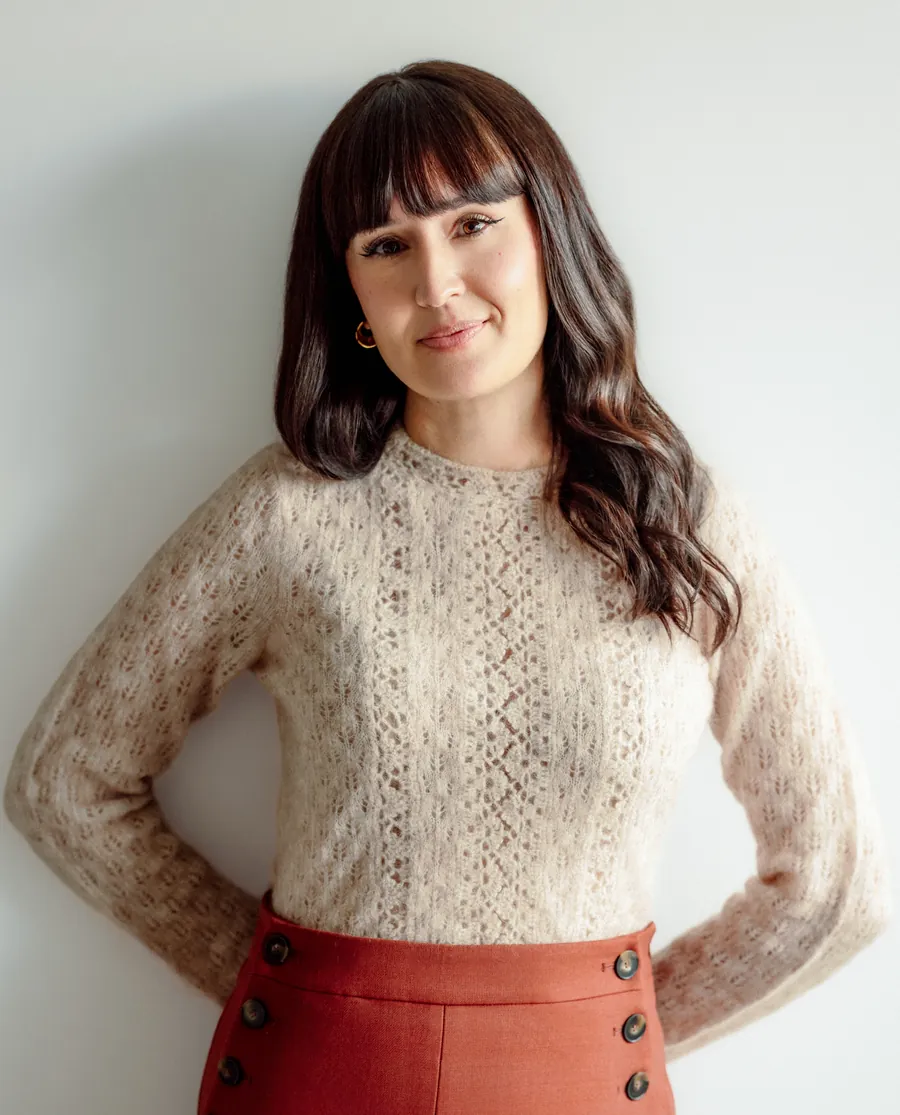
Hi, I'm Dr. Ileana Hernandez, a licensed psychotherapist in Florida. I specialize in chronic pain, chronic illness, trauma, and the anxiety and depression that come along for the ride. I hold a PhD in psychology from Florida International University, where I've taught for over a decade.
But the most important things I bring to this work aren't on my CV — they weren't taught in textbooks or clinical trainings. I bring all the lessons from my own recovery from 20+ chronic symptoms, and the deep empathy and compassion that come from having lived it myself. And I bring the ability to see things and identify patterns that many miss.
It is an honor to use my knowledge and skills to help others recover from their own neuroplastic symptoms, using the science-backed approaches that helped me and countless others around the world recover from chronic conditions.
What happens next
Reach out
Send a message by clicking below, or call or text me at (305) 440-1910. I'll get back to you to set up a free 30-minute consultation.
We talk
On the call, we'll talk about what you're experiencing, what you're hoping for, and any questions you have.
We begin
If it feels like a good fit, we'll schedule your first session. You'll be one step closer to where you want to be!